
black circle bathroom mirror
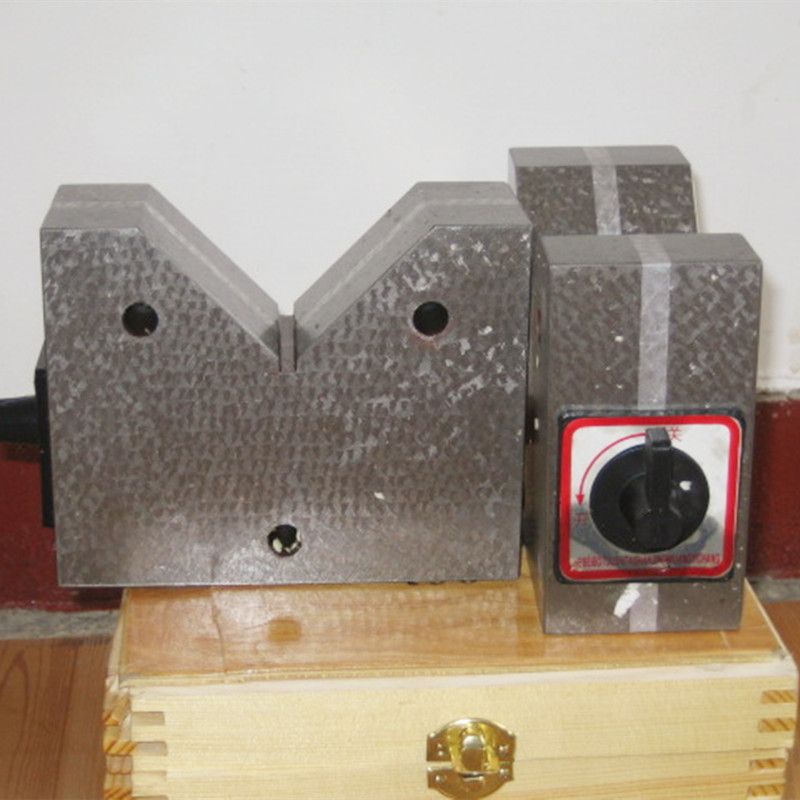
Understanding Magnetic V Blocks Size and Standards Magnetic V blocks are essential tools in the precision machining and engineering sectors. They provide a stable and secure way to hold workpieces in place during operations such as grinding, milling, and drilling. These blocks utilize magnetic force to adhere to ferrous materials, ensuring a firm grip, which enhances the overall precision of the machining process. With various sizes available, understanding the significance of magnetic V block sizes and standards is crucial for optimizing their use in various applications. Understanding Magnetic V Blocks Size and Standards Choosing the right size is paramount. A block that is too small may not provide adequate support for the workpiece, leading to vibrations and inaccuracies during machining, while a block that is excessively large may be cumbersome to use and could restrict access to certain areas of the workpiece. Operators must carefully evaluate the dimensions of their workpieces as well as the nature of the machining operation to select an appropriately sized V block. This ensures that the magnetic grip is strong enough to hold the material securely without risking damage or relocation during processing. magnetic v block size and standard Standards for magnetic V blocks are equally important. Many industries adhere to specific standards to ensure quality, safety, and interchangeability of tools. For example, the International Organization for Standardization (ISO) and various American National Standards Institute (ANSI) specifications often set forth guidelines for manufacturing magnetic V blocks. These standards can dictate everything from the materials used in construction to the strength of the magnetic holds and the accuracy of the V grooves. Conformance to these standards not only ensures the reliability of the tools but also provides users with confidence in the consistency and performance of the magnetic V blocks. Quality control measures must be in place to consistently verify that each block meets or exceeds these standards before it is sent into the field. This is critical, especially in industries where precision is paramount, such as aerospace and medical device manufacturing. In addition to size and standards, the overall design of magnetic V blocks has evolved, with innovations aimed at enhancing their functionality. Some models now feature adjustable magnetic strength, allowing users to tune the grip to suit different materials and operations. Others incorporate features such as built-in elevation or tilting mechanisms that enable versatile setups. In summary, the size and standards of magnetic V blocks play a vital role in their effectiveness in machining and engineering applications. Selecting the right size ensures a secure grip, while adherence to industry standards guarantees reliability and precision. As technology advances, these tools will continue to be refined, helping engineers and machinists achieve heightened levels of accuracy in their work.
about
black circle bathroom mirror
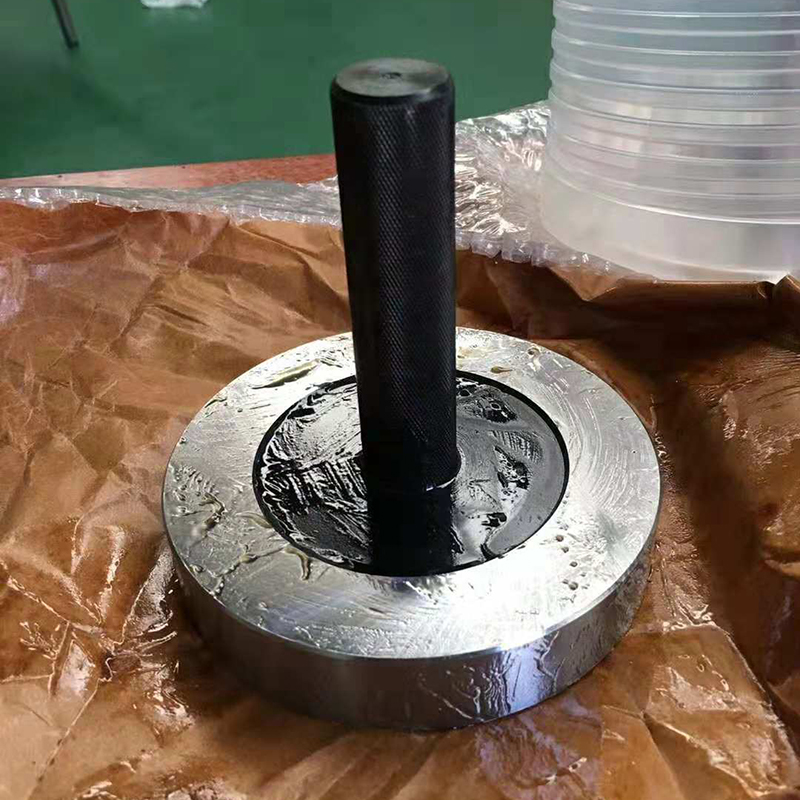
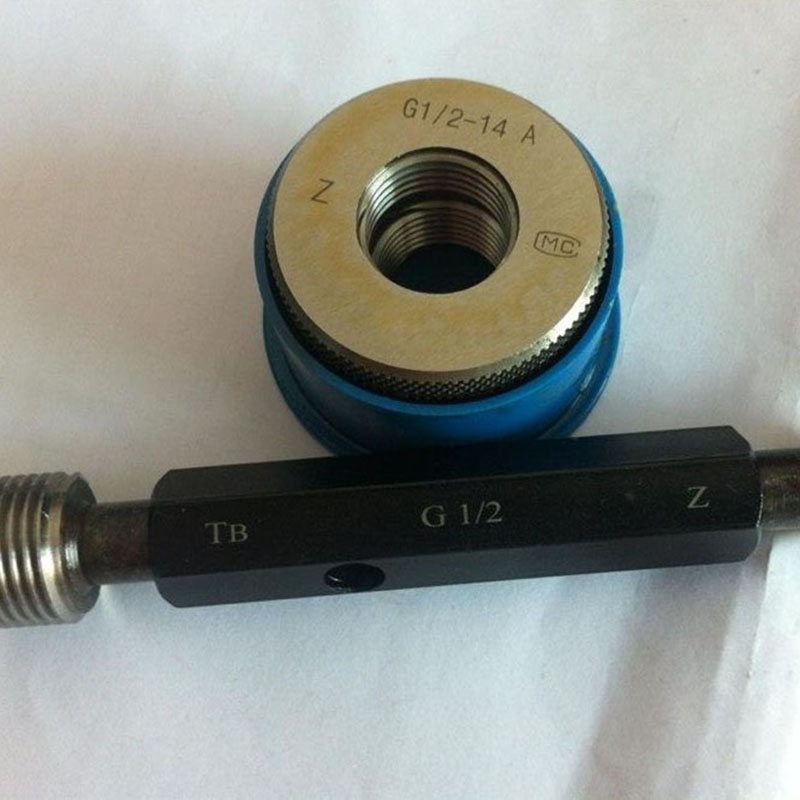
Understanding Thread Ring Gage Sets Essential Tools for Precision Measurement In the world of manufacturing and engineering, precision is paramount. Each component must fit perfectly to ensure the functionality and longevity of the final product. One of the critical tools that aid in achieving this level of precision is the thread ring gage set. This article delves into the purpose, significance, and application of thread ring gauges, explaining why they are indispensable in quality control processes. What is a Thread Ring Gage Set? A thread ring gage set consists of precision tools designed to measure and verify the dimensions and tolerances of threaded parts. Essentially, these gages are circular tools that resemble a ring and are used to check the external threads of bolts, screws, and other fasteners. Each set typically contains various gages calibrated to different standards, making it possible to inspect a wide range of thread sizes and profiles. Types of Thread Gages Thread ring gauges can be classified into two main categories GO gages and NO GO gages. The GO gage is used to determine whether a threaded component is within allowable limits, while the NO GO gage is used to ensure that the component does not exceed specified tolerances. This dual functionality allows manufacturers to accurately assess whether their products meet industry standards. Additionally, thread gages may vary based on the thread forms they are designed to measure, including Unified National Thread (UN), Metric Thread (M), and British Standard (BS). Each type adheres to specific national or international standards, making it crucial for manufacturers to select the correct gage for their applications. Importance of Thread Ring Gage Sets thread ring gage set The significance of thread ring gage sets lies in their role in maintaining quality assurance during production. Here are a few reasons why they are essential 1. Precision and Consistency Gages ensure that every threaded component produced meets stringent size and shape requirements, reducing the risk of failures due to improper fits. 2. Time and Cost Efficiency By allowing quick verification of thread dimensions, these gages minimize the time spent on inspections and reworks, thus saving costs associated with production delays. 3. Compliance Many industries are subject to strict regulatory standards. Accurate measurements from gages help manufacturers comply with these regulations, avoiding potential legal and financial repercussions. 4. Enhanced Product Quality Regular usage of thread gage sets leads to higher quality products, which subsequently enhances customer satisfaction and brand reputation. Applications of Thread Ring Gage Sets Thread ring gages find applications in various fields, most notably in automotive manufacturing, aerospace, and machinery production. In these industries, components such as engine parts, fasteners, and structural elements must adhere to exacting specifications. In addition to manufacturing, thread ring gages are also vital within maintenance and repair processes. When replacing parts in engines or machinery, it's crucial to ensure that new components are compatible with existing ones. Thread ring gages provide a reliable means of verifying that new parts can be installed without issue. Conclusion In summary, thread ring gage sets are more than just tools; they are a critical component of the manufacturing and quality assurance processes. Their ability to ensure precision, save time and costs, and maintain compliance makes them indispensable. As industries continue to evolve and the demand for high-quality components rises, the role of thread ring gage sets will only become more significant. Investing in reliable gage sets is not just a choice but a necessity for manufacturers committed to excellence in their products.
-

High quality industrial productsagement

High quality industrial products
View Details -

Meet the diverse needs of customers

Meet the diverse needs of customers
View Details -

Strict quality control

Strict quality control
View Details -

Top raw materials

Top raw materials
View Details -

Trusted supplier

Trusted supplier
View Details
Our application


news and information
water pressure valve
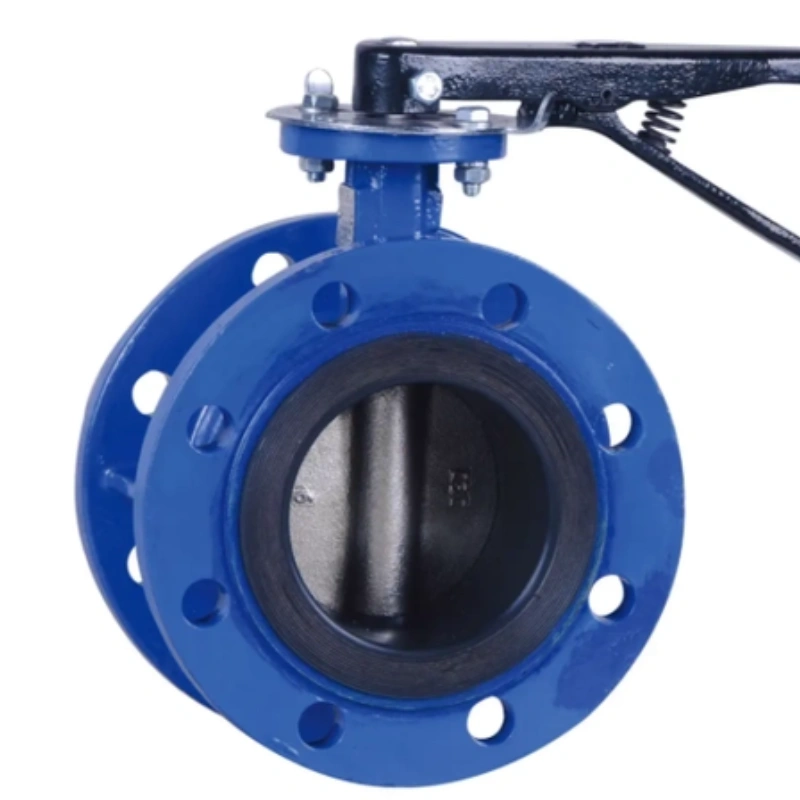
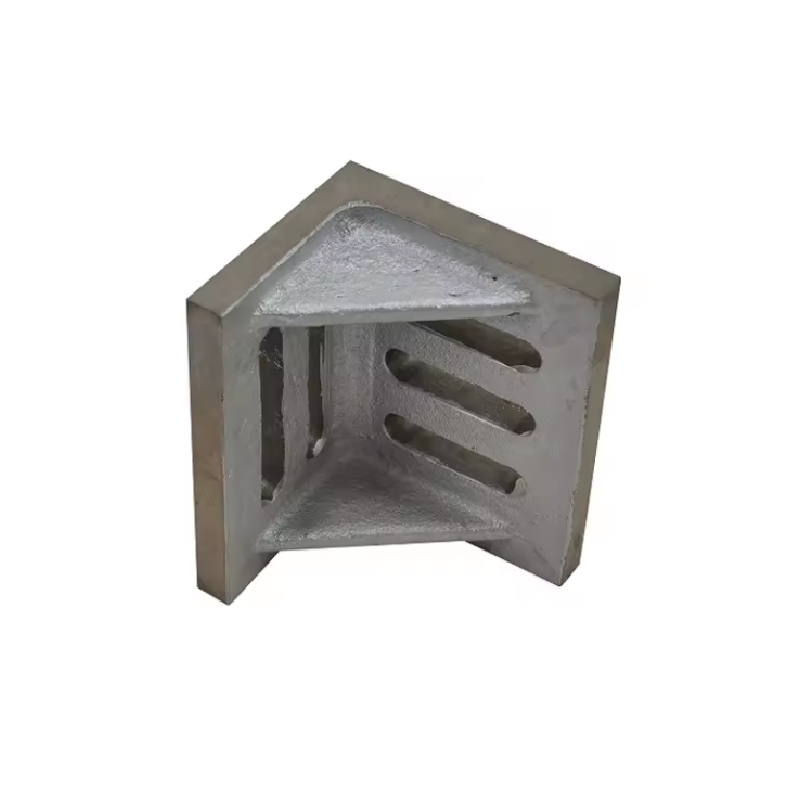
Understanding Water Pressure Valves A Crucial Component for Plumbing Systems Water pressure valves a
What Is the Difference Between Y Type Strainer and Basket Type Strainer_
In fluid systems, strainers play a crucial role in ensuring the cleanliness and efficiency of the pr
Water Valve Shutoff Mechanism for Efficient Water Control and Management
Understanding Water Valve Shut Off Importance and Applications A water valve shut off is a critical
 English